
الرئيسية » الافتتاحيات » بسّام الطيارة »

هل تقود المفاوضات إلى “إنهاء حالة العداء”

بسّام خالد الطيارة

لبنان منقسم، وهذا ليس سراً.

ينادي نصف اللبنانيين بالمقاومة حفاظاً على الوطن والسيادة، بينما يدافع النصف الآخر عن الدولة والسيادة.

يناقش كل طرف جدوى التفاوض المباشر. ولا يشكك أي منهما في دوافع العدو وراء هجومه الوحشي على لبنان.

يتذكر البعض سنوات الاحتلال الثماني عشرة، التي انسحبت إسرائيل في نهايتها إلى ما وراء حدودها المرسومة بوضوح دون الحصول على اعتراف بدولتها. لكن في عام 2000، لم تكن اتفاقيات أبراهام، التي أدت إلى تطبيع العلاقات بين أربع دول عربية والدولة اليهودية، قد وُضعت بعد.

ويسقط آخرون على لبنان السياسات التي طبقتها إسرائيل في الضفة الغربية وإدارة محمود عباس، مما يعني أن الدولة اللبنانية ستصبح أداة للأمن الإسرائيلي وتشارك في “نزع سلاح” حزب الله… وبالتالي إشعال حرب أهلية.

أعلن الرئيس جوزيف عون أن أحد أهداف هذه المفاوضات المباشرة هو إنهاء الحرب وضمان انسحاب إسرائيل من جنوب لبنان، لكنه أضاف أنه من الضروري “ترسيم الحدود”، وقبل كل شيء، “إنهاء حالة العداء” مع الدولة اليهودية.

وبهذا الموقف، ذهب الرئيس اللبناني أبعد من محمود عباس، الذي، رغم كل الانتقادات التي يواجهها، لا يزال يتمتع بميزة لم تتمكن إسرائيل من الحصول عليها لا من السلطة ولا من عرفات (وهو أحد أسباب إزاحته). هذه الميزة، التي تطمع بها إسرائيل، هي “إنهاء حالة العداء”.

مع ذلك، يدعو نصف الشعب اللبناني إلى إنهاء حالة العداء بشكل عام، بينما تعارض المقاومة (النصف الآخر) هذا النهج بشكل أوسع.

ويستند كلا الجانبين إلى “اتفاق الطائف” لتعزيز حججهما. اتفاق الطائف هو وثيقة المصالحة الوطنية اللبنانية، التي صاغتها الأطراف المتحاربة في لبنان، تحت ضغط السعودية. في سبتمبر/أيلول 1989 بعد حرب أهلية دامت 15 عامًا.

سعت السعودية إلى فرض هذا الاتفاق، الذي ينص على “نزع سلاح جميع الميليشيات الوطنية والأجنبية” ودخول الجيش اللبناني إلى الجنوب بعد الانسحاب الإسرائيلي.

بالتأكيد.

لكن الصراحة ضرورية في هذه الأوقات العصيبة التي تمر بها البلاد.

دعونا نتفحص بدقة ما ينطوي عليه هذا الاتفاق فعلاً. لقد أنقذ لبنان بإنهاء إراقة دماء المدنيين. ولكن ما الذي يخفيه هذا الاتفاق تحديداً؟

لقد صُمم هذا الاتفاق خصيصاً لرئيس الوزراء الراحل رفيق الحريري لجعل موقع رئاسة الوزراء مهيمناً.
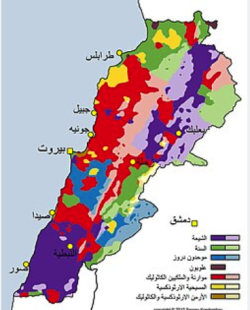
وقد أرست هذه الاتفاقية مبدأ “التعايش” بين مختلف الطوائف الدينية في لبنان وممثليها السياسيين، لكنها أعادت هيكلة النظام السياسي للتحالف الوطني وتراجع بعض صلاحيات الطائفة المسيحية وتعديل قوانين الانتخابات البرلمانية لما بعد الحرب.

باختصار، تمثلت التغييرات الرئيسية في تقليص صلاحيات الرئيس الماروني، وجعل رئيس الوزراء مسؤولاً أمام البرلمان، وتعزيز صلاحيات رئيس الوزراء السني على حساب رئيسي الجمهورية البرلمان المسيحي والشيعي.

نصّ اتفاق الطائف على إلغاء النزعة الطائفية السياسية، وزيادة عدد مقاعد البرلمان إلى 128 مقعدًا، موزعة بالتساوي بين المسيحيين والمسلمين، ووضع قائد الجيش اللبناني تحت سلطة مجلس الوزراء بدلًا من رئاسة الجمهورية. كما أنشأ الاتفاق “ثلثًا معطلاً” داخل الحكومة: فإذا امتنع ثلث الوزراء عن حضور الاجتماعات، تعجز الحكومة عن اتخاذ القرارات.

لم يُنفّذ هذا الاتفاق لعدة أسباب، أبرزها تحويل لبنان إلى دائرة انتخابية واحدة بعد إلغاء الانتماءات الطائفية السياسية، وتعويض ذلك بإنشاء مجلس شيوخ ذي صلاحيات محدودة، يُمثّل فيه جميع الطوائف الدينية.

قبلت الكتلة الشيعية اتفاق الطائف نظرًا لفائض القوة العسكرية لحزب الله، فضلًا عن مسألة “الثلث المعيق”.

في المقابل، عارضت الكتلة المارونية اتفاق الطائف، نظرًا للتركيبة السكانية للبنان. على الرغم من نقص الإحصاءات، فإن الأرقام التالية مقبولةعمومًا: يُمثل المسلمون حوالي 60% من السكان (27% سُنّة و33% شيعة)، والدروز 5%، والمسيحيون حوالي 30% (حوالي 21% موارنة و8% أرثوذكس).

ويعتقد زعيم القوات اللبنانية، وحزب الكتائب، وبعض معارضي اتفاق الطائف، في أحاديث خاصة، أن أي انتخابات ستُسفر عن أغلبية مسلمة في البرلمان. ويعكس هذا، من جهة، انعدام الثقة بالعلمانيين من جميع الأديان، ومن جهة أخرى، الخوف من احتمال إزاحة الزعماء التقليديين الراسخين في الحياة السياسية اللبنانية.

في المقابل، يدعو فصيل داخل التيار الشيعي، بقيادة حركة أمل، إلى تطبيق اتفاق الطائف، متوقعًا زوال “النفوذ المفرط” لحزب الله إذا ما تم نزع سلاحه بأي وسيلة، سواء بالقوة أو بالوسائل السياسية. إلا أنه يفعل ذلك على مضض. كما يتجاهل هذا الفصيل نفوذ العلمانيين، الأمر الذي يُهدد بإزاحة الشخصيات البارزة في المجتمع.

هنا تكمن النية الحقيقية للفصيلين المذكورين حين يُلوّحان باتفاق الطائف، متمسكين به تارةً، ومُدينين له تارةً أخرى. أما الفصيل المُؤيد للتفاوض مع إسرائيل، فيهدف بالدرجة الأولى إلى تفكيك هذا الإطار الدستوري وإلغاء البند الذي يُقيّد صلاحيات الرئيس… للتفاوض، وبالتالي القضاء على النفوذ المفرط لحزب الله في المجال السياسي.

يرى الفصيل المعارض للمفاوضات أن التطبيق الحرفي لاتفاق الطائف يحرم الرئيس من أي سلطة في اتخاذ القرارات المتعلقة بأهداف المفاوضات، على الرغم من أن الدستور ينص على مسؤوليته عن التفاوض، ولكن فقط “بناءً على تفويض صريح” من الحكومة.

وبينما يصعب مناقشة تنفيذ اتفاق الطائف اليوم، فإن بيان مفتي لبنان، عبد اللطيف دريان، يحمل دلالة خاصة. فقد أكد أن موقف الرئيس جوزيف عون التفاوضي، في مواجهة ما وصفه بـ”حرب مدمرة تستهدف لبنان وتقطع أي أمل في الخلاص”، يتمتع “بشرعية سنية”. ويأتي قرار المفتي، الذي نُشر في بيان صادر عن المجلس الأعلى للشريعة الإسلامية، ليسد فراغًا عجز رئيس الوزراء نواف سلام (وهو سني، لكنه ضعيف الموقف) عن معالجته دستوريًا. لم يثر عون وسلام مسألة مفاوضات مجلس الوزراء لترسيخ قرار التفاوض مع إسرائيل، خشيةً من … اتفاق الطائف، الذي حتى بدون تنفيذه كاملاً، سيحول دون التصديق عليه بسبب حق النقض (الفيتو) الذي يملكه ثلث الوزراء. هذا الفيتو، الناتج عن احتمال غياب ثلث الوزراء، سيمنع الرئيس عون دستورياً من الاجتماع مع رئيس الوزراء نتنياهو، الذي يُعتبر معارضاً له.

اقرأ للكاتب نفس:

اُكتب تعليقك (Your comment):

صحافة اسرائيل

إعلان

خاص «برس - نت»

صفحة رأي

مدونات الكتاب

آخر التعليقات

    أخبار بووم على الفيسبوك

    تابعنا على تويتر

    Translate »
    We use cookies to personalise content and ads, to provide social media features and to analyse our traffic. We also share information about your use of our site with our social media, advertising and analytics partners.
    Cookies settings
    Accept
    Privacy & Cookie policy
    Privacy & Cookies policy
    Cookie name Active

    Privacy Policy

    What information do we collect?

    We collect information from you when you register on our site or place an order. When ordering or registering on our site, as appropriate, you may be asked to enter your: name, e-mail address or mailing address.

    What do we use your information for?

    Any of the information we collect from you may be used in one of the following ways: To personalize your experience (your information helps us to better respond to your individual needs) To improve our website (we continually strive to improve our website offerings based on the information and feedback we receive from you) To improve customer service (your information helps us to more effectively respond to your customer service requests and support needs) To process transactions Your information, whether public or private, will not be sold, exchanged, transferred, or given to any other company for any reason whatsoever, without your consent, other than for the express purpose of delivering the purchased product or service requested. To administer a contest, promotion, survey or other site feature To send periodic emails The email address you provide for order processing, will only be used to send you information and updates pertaining to your order.

    How do we protect your information?

    We implement a variety of security measures to maintain the safety of your personal information when you place an order or enter, submit, or access your personal information. We offer the use of a secure server. All supplied sensitive/credit information is transmitted via Secure Socket Layer (SSL) technology and then encrypted into our Payment gateway providers database only to be accessible by those authorized with special access rights to such systems, and are required to?keep the information confidential. After a transaction, your private information (credit cards, social security numbers, financials, etc.) will not be kept on file for more than 60 days.

    Do we use cookies?

    Yes (Cookies are small files that a site or its service provider transfers to your computers hard drive through your Web browser (if you allow) that enables the sites or service providers systems to recognize your browser and capture and remember certain information We use cookies to help us remember and process the items in your shopping cart, understand and save your preferences for future visits, keep track of advertisements and compile aggregate data about site traffic and site interaction so that we can offer better site experiences and tools in the future. We may contract with third-party service providers to assist us in better understanding our site visitors. These service providers are not permitted to use the information collected on our behalf except to help us conduct and improve our business. If you prefer, you can choose to have your computer warn you each time a cookie is being sent, or you can choose to turn off all cookies via your browser settings. Like most websites, if you turn your cookies off, some of our services may not function properly. However, you can still place orders by contacting customer service. Google Analytics We use Google Analytics on our sites for anonymous reporting of site usage and for advertising on the site. If you would like to opt-out of Google Analytics monitoring your behaviour on our sites please use this link (https://tools.google.com/dlpage/gaoptout/)

    Do we disclose any information to outside parties?

    We do not sell, trade, or otherwise transfer to outside parties your personally identifiable information. This does not include trusted third parties who assist us in operating our website, conducting our business, or servicing you, so long as those parties agree to keep this information confidential. We may also release your information when we believe release is appropriate to comply with the law, enforce our site policies, or protect ours or others rights, property, or safety. However, non-personally identifiable visitor information may be provided to other parties for marketing, advertising, or other uses.

    Registration

    The minimum information we need to register you is your name, email address and a password. We will ask you more questions for different services, including sales promotions. Unless we say otherwise, you have to answer all the registration questions. We may also ask some other, voluntary questions during registration for certain services (for example, professional networks) so we can gain a clearer understanding of who you are. This also allows us to personalise services for you. To assist us in our marketing, in addition to the data that you provide to us if you register, we may also obtain data from trusted third parties to help us understand what you might be interested in. This ‘profiling’ information is produced from a variety of sources, including publicly available data (such as the electoral roll) or from sources such as surveys and polls where you have given your permission for your data to be shared. You can choose not to have such data shared with the Guardian from these sources by logging into your account and changing the settings in the privacy section. After you have registered, and with your permission, we may send you emails we think may interest you. Newsletters may be personalised based on what you have been reading on theguardian.com. At any time you can decide not to receive these emails and will be able to ‘unsubscribe’. Logging in using social networking credentials If you log-in to our sites using a Facebook log-in, you are granting permission to Facebook to share your user details with us. This will include your name, email address, date of birth and location which will then be used to form a Guardian identity. You can also use your picture from Facebook as part of your profile. This will also allow us and Facebook to share your, networks, user ID and any other information you choose to share according to your Facebook account settings. If you remove the Guardian app from your Facebook settings, we will no longer have access to this information. If you log-in to our sites using a Google log-in, you grant permission to Google to share your user details with us. This will include your name, email address, date of birth, sex and location which we will then use to form a Guardian identity. You may use your picture from Google as part of your profile. This also allows us to share your networks, user ID and any other information you choose to share according to your Google account settings. If you remove the Guardian from your Google settings, we will no longer have access to this information. If you log-in to our sites using a twitter log-in, we receive your avatar (the small picture that appears next to your tweets) and twitter username.

    Children’s Online Privacy Protection Act Compliance

    We are in compliance with the requirements of COPPA (Childrens Online Privacy Protection Act), we do not collect any information from anyone under 13 years of age. Our website, products and services are all directed to people who are at least 13 years old or older.

    Updating your personal information

    We offer a ‘My details’ page (also known as Dashboard), where you can update your personal information at any time, and change your marketing preferences. You can get to this page from most pages on the site – simply click on the ‘My details’ link at the top of the screen when you are signed in.

    Online Privacy Policy Only

    This online privacy policy applies only to information collected through our website and not to information collected offline.

    Your Consent

    By using our site, you consent to our privacy policy.

    Changes to our Privacy Policy

    If we decide to change our privacy policy, we will post those changes on this page.
    Save settings
    Cookies settings