الرئيسية » الحدث »

صراع صامت بين السعودية والإمارات
بسّام خالد الطيارة

في الخليج، تدور حرب بين إيران والولايات المتحدة وتهديدات إسرائيل… حسناً!
لكن ما تغفله وسائل الإعلام هو التنافس الجيوسياسي والاقتصادي الكبير بين دولة الإمارات العربية المتحدة والمملكة العربية السعودية!

بعد أن كانا حليفين وثيقين، بات البلدان – بقيادة “محمدين”: محمد بن سلمان (MBS) ومحمد بن زايد (MBZ) – على خلاف في عدد من الجبهات.

وفي تطورٍ لم يحظَ بتغطية إعلامية كافية، بلغت الأمور ذروتها في أزمةٍ علنية اندلعت في أواخر عام 2025، على علاقة بالصراع في اليمن (اضغط هنا).
لم يكن محمد بن سلمان – نجل الملك سلمان والحاكم الفعلي للمملكة – يتصور يوماً أن محمد بن زايد، رئيس دولة الإمارات، قد يقف في مواجهة المملكة العربية السعودية، التي تُعد بمثابة “الأخ الأكبر” والجار القريب لدول الخليج.

في الواقع تراكمت نقاط الخلاف بين الطرفين منذ مطلع الألفية الثانية:

– الخلافات الدبلوماسية:

أقدمتالإمارات بقيادة أبو ظبي على تطبيع علاقاتها مع إسرائيل (عبر “اتفاقيات أبراهام”)، وهو ما فاجأ الرياض التي كانت تسعى لاستغلال انضمامها المحتمل إلى هذا المسار مقابل الحصول على “تنازل” أو بادرة إيجابية بشأن القضية الفلسطينية. ومع اندلاع الحرب في غزة، تلاشت أي فرصة أمام الرياض للإعلان عن تقارب رسمي مع تل أبيب؛ في حين قدمت الإمارات الدعم لإسرائيل لمساعدتها في تجاوز الحصار الذي فرضه الحوثيون على التموين عبر البحر الأحمر وعلى خطوط إمداداتها بقصف مرفأ إيلات.

– الخلافات الجيوسياسية:

بادرت الإمارات بتعزيز نفوذها وبناء شراكات في منطقة البحر الأحمر، وتحديداً في “صوماليلاند” (أرض الصومال). وتُعد هذه المنطقة – وهي إقليم انفصالي عن الصومال لا تعترف به سوى إسرائيل – ومنحت المقاطعة الانفصالية تسهيلات عسكرية للإمارات ولإسرائيل، وبات ميناءها بيد الإمارات.
في المقابل تحظى الصومال بدعم المملكة العربية السعودية التي تنظر بعين الريبة إلى وجود إسرائيل على الضفة المقابلة لشواءها الغربية، وما يمكن أن يترتب منه قطعٍ طريق وصولها إلى السودان.
ففي السودان، تدعم هاتان القوتان طرفين متنازعين في الحرب الأهلية؛ إذ تساند المملكة العربية السعودية الجيش السوداني النظامي، بينما تدعم الإمارات العربية المتحدة “قوات الدعم السريع”.

– اليمن

تتركز المواجهة الرئيسية في اليمن؛ إذ تسعى الرياض إلى الحفاظ على يمنٍ موحدٍ تحت سلطة حكومة مركزية، وذلك لتأمين حدودها الجنوبية. وفي المقابل، تدعم أبوظبي الانفصاليين في “المجلس الانتقالي الجنوبي” بهدف السيطرة على الموانئ الاستراتيجية الواقعة بين البحر الأحمر والمحيط الهندي.
ولكن بروز جماعة “الحوثيين” كقوة تسيطر على العاصمة صنعاء وشمال اليمن -المتاخم للحدود السعودية-، فضلاً عن سيطرتهم مؤخراً على جزرٍ تتحكم في مضيق باب المندب عند مدخل البحر الأحمر، قلب حسابات التحالف الذي نشأ في عام ٢٠١٤ (انقر هنا).

– التطويق

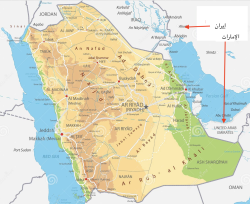
يكفي إلقاء نظرة على الخريطة لنرى أن المملكة العربية السعودية تتعرض لعملية “تطويق” من جميع الجهات: فمن الشرق توجد الإمارات العربية المتحدة وخلفها إيران، ومن الجنوب يقع اليمن الذي بدأ يفلت من قبضتها تدريجياً، ومن الغرب يغلق الحوثيون البحر الأحمر بينما “صوماليلاند” على الضفة المقابلة في البحر الأحمر تتفلت من دولة الصومال، أما من الشمال فتوجد إسرائيل التي تسيطر على الجولان وتُقيّد تحرك الأردن. وهكذا استنتج مجمد بن سلمان أن نطاق سيطرة المملكة على مجالها البحري يتقلص بشكل متصاعد!

وفي 30 ديسمبر/ك١ 2025، بلغ التصعيد العسكري ذروته؛ حيث قصفت المملكة العربية السعودية شحنة أسلحة كانت قد أُفرغت في ميناء المكلا باليمن من سفينتين إماراتيتين دخلتا الميناء لإمداد الانفصاليين. وعقب هذا التحرك القوي والمفاجئ، طالبت الرياض الإمارات بالانسحاب الكامل من “الملف اليمني”. وهو ما حصل في مطلع عام 2026، إذ أعلنت أبوظبي سحب قواتها، وهو ما مثّل نهاية تحالفهما العسكري.

– التحالفات

سعت القوتان الخليجيتان -اللتان ترتبطان بتحالف مشترك ومتواز مع الولايات المتحدة- إلى بناء تحالفات “أوسع نطاقاً”؛ حيث اتجهت الإمارات العربية المتحدة نحو الهند، بينما فضلت المملكة العربية السعودية إبرام اتفاقية دفاعية مع كل من باكستان وتركيا.

وعلاوة على ذلك، فإن جوانب هذا الصراع الجيوسياسي تستند إلى تنافس تجاري، بالإضافة إلى منافسة في قطاعي النفط والمال.

– النفط:

تُمسك المملكة العربية السعودية بزمام الأمور فيما يتعلق بحصص منظمة “أوبك” (بالتنسيق مع روسيا ضمن تحالف “أوبك+”)، وكانت تسعى -قبل اندلاع الحرب مع إيران- إلى تقييد إنتاج النفط لدعم الأسعار وتمويل مشاريعها الوطنية الكبرى. وفي المقابل، تعترض الإمارات العربية المتحدة على هذه القيود بشكل عام، وتسعى لزيادة قدراتها الإنتاجية لتتجاوز الحصص التي تحددها “أوبك”. ويأتي ذلك في ظل تراجع حصة “أوبك” من السوق العالمية إلى ما دون 30% (وحصة تحالف “أوبك+” إلى نحو 42%)، بعد أن كانت تتجاوز 50% في فترات سابقة. وبناءً على ذلك، أعلنت الإمارات العربية المتحدة انسحابها رسمياً من منظمة “أوبك” وتحالف “أوبك+” في الأول من مايو 2026، مما يمثل قطيعة تاريخية تنهي 59 عاماً من التنسيق النفطي الذي كان يتم تحت مظلة الرياض.

– المال والأعمال:

تبنت الرياض سياسة هجومية تهدف إلى استقطاب الشركات متعددة الجنسيات، سعياً منها لتصبح المركز الاقتصادي الأول في الشرق الأوسط. غير أن هذا الطموح يضعها في منافسة مباشرة مع النموذج الاقتصادي لدبي، درة تاج الإمارات العربية المتحدة.

– السياسة العربية:

تواجه المملكة العربية السعودية ضغوطاً سياسية من قِبل أبوظبي في عدة ساحات عربية، مثل لبنان وسوريا، اللتين كانتا تُعدّان تقليدياً ضمن دائرة نفوذ الرياض. أما في مصر، فتدور منافسة ذات طابع مالي للسيطرة على قطاعات من الاقتصاد المصري، وتستغل القاهرة هذا التنافس لدعم اقتصادها المتعثر.

– الجغرافيا

ثمة جانب خفي يلقي بظلاله السلبية على العلاقات بين هاتين القوتين الإقليميتين المتوسطتين، وهو النزاع الحدودي التاريخي الذي لا يزال قائماً دون حل حتى يومنا هذا.
في عام 1974، أُبرم “اتفاق جدة” لمعالجة نزاع يتعلق بالحدود البرية (التي تمتد لمسافة 457 كيلومتراً بين الدولتين). وقد صادقت المملكة العربية السعودية على هذا الاتفاق -الذي شمل حقل “شيبة” النفطي الواقع بالقرب من حدود الإمارات، وتضمن منح منفذ بحري عند “خور العديد”- إلا أن دولة الإمارات العربية المتحدة لم تصادق عليه رسمياً قط.

وماذا عن إيران؟

فيما يخص إيران، تتباين مواقف القوتين حول كيفية التعامل معها؛ فالمملكة العربية السعودية -التي تجد نفسها عالقة، كما أشرنا سابقاً، بين الصراع في اليمن والمخاطر المحدقة بمحافظاتها الجنوبية- تسعى، بتشجيع من باكستان وتركيا، للتوصل إلى اتفاق شامل مع طهران يضع الخطوط العريضة للأمن الإقليمي.
في المقابل، ترغب دولة الإمارات -بدعم من تل أبيب- في “القضاء” على التهديد الذي يمثله نظام طهران، لا سيما وأن أي اتفاق أمني محتمل سيُبرم حصراً بين “الطرفين العملاقين »… الرياض وطهران.

اُكتب تعليقك (Your comment):

صحافة اسرائيل

إعلان

خاص «برس - نت»

صفحة رأي

مدونات الكتاب

آخر التعليقات

    أخبار بووم على الفيسبوك

    تابعنا على تويتر

    Translate »
    We use cookies to personalise content and ads, to provide social media features and to analyse our traffic. We also share information about your use of our site with our social media, advertising and analytics partners.
    Cookies settings
    Accept
    Privacy & Cookie policy
    Privacy & Cookies policy
    Cookie name Active

    Privacy Policy

    What information do we collect?

    We collect information from you when you register on our site or place an order. When ordering or registering on our site, as appropriate, you may be asked to enter your: name, e-mail address or mailing address.

    What do we use your information for?

    Any of the information we collect from you may be used in one of the following ways: To personalize your experience (your information helps us to better respond to your individual needs) To improve our website (we continually strive to improve our website offerings based on the information and feedback we receive from you) To improve customer service (your information helps us to more effectively respond to your customer service requests and support needs) To process transactions Your information, whether public or private, will not be sold, exchanged, transferred, or given to any other company for any reason whatsoever, without your consent, other than for the express purpose of delivering the purchased product or service requested. To administer a contest, promotion, survey or other site feature To send periodic emails The email address you provide for order processing, will only be used to send you information and updates pertaining to your order.

    How do we protect your information?

    We implement a variety of security measures to maintain the safety of your personal information when you place an order or enter, submit, or access your personal information. We offer the use of a secure server. All supplied sensitive/credit information is transmitted via Secure Socket Layer (SSL) technology and then encrypted into our Payment gateway providers database only to be accessible by those authorized with special access rights to such systems, and are required to?keep the information confidential. After a transaction, your private information (credit cards, social security numbers, financials, etc.) will not be kept on file for more than 60 days.

    Do we use cookies?

    Yes (Cookies are small files that a site or its service provider transfers to your computers hard drive through your Web browser (if you allow) that enables the sites or service providers systems to recognize your browser and capture and remember certain information We use cookies to help us remember and process the items in your shopping cart, understand and save your preferences for future visits, keep track of advertisements and compile aggregate data about site traffic and site interaction so that we can offer better site experiences and tools in the future. We may contract with third-party service providers to assist us in better understanding our site visitors. These service providers are not permitted to use the information collected on our behalf except to help us conduct and improve our business. If you prefer, you can choose to have your computer warn you each time a cookie is being sent, or you can choose to turn off all cookies via your browser settings. Like most websites, if you turn your cookies off, some of our services may not function properly. However, you can still place orders by contacting customer service. Google Analytics We use Google Analytics on our sites for anonymous reporting of site usage and for advertising on the site. If you would like to opt-out of Google Analytics monitoring your behaviour on our sites please use this link (https://tools.google.com/dlpage/gaoptout/)

    Do we disclose any information to outside parties?

    We do not sell, trade, or otherwise transfer to outside parties your personally identifiable information. This does not include trusted third parties who assist us in operating our website, conducting our business, or servicing you, so long as those parties agree to keep this information confidential. We may also release your information when we believe release is appropriate to comply with the law, enforce our site policies, or protect ours or others rights, property, or safety. However, non-personally identifiable visitor information may be provided to other parties for marketing, advertising, or other uses.

    Registration

    The minimum information we need to register you is your name, email address and a password. We will ask you more questions for different services, including sales promotions. Unless we say otherwise, you have to answer all the registration questions. We may also ask some other, voluntary questions during registration for certain services (for example, professional networks) so we can gain a clearer understanding of who you are. This also allows us to personalise services for you. To assist us in our marketing, in addition to the data that you provide to us if you register, we may also obtain data from trusted third parties to help us understand what you might be interested in. This ‘profiling’ information is produced from a variety of sources, including publicly available data (such as the electoral roll) or from sources such as surveys and polls where you have given your permission for your data to be shared. You can choose not to have such data shared with the Guardian from these sources by logging into your account and changing the settings in the privacy section. After you have registered, and with your permission, we may send you emails we think may interest you. Newsletters may be personalised based on what you have been reading on theguardian.com. At any time you can decide not to receive these emails and will be able to ‘unsubscribe’. Logging in using social networking credentials If you log-in to our sites using a Facebook log-in, you are granting permission to Facebook to share your user details with us. This will include your name, email address, date of birth and location which will then be used to form a Guardian identity. You can also use your picture from Facebook as part of your profile. This will also allow us and Facebook to share your, networks, user ID and any other information you choose to share according to your Facebook account settings. If you remove the Guardian app from your Facebook settings, we will no longer have access to this information. If you log-in to our sites using a Google log-in, you grant permission to Google to share your user details with us. This will include your name, email address, date of birth, sex and location which we will then use to form a Guardian identity. You may use your picture from Google as part of your profile. This also allows us to share your networks, user ID and any other information you choose to share according to your Google account settings. If you remove the Guardian from your Google settings, we will no longer have access to this information. If you log-in to our sites using a twitter log-in, we receive your avatar (the small picture that appears next to your tweets) and twitter username.

    Children’s Online Privacy Protection Act Compliance

    We are in compliance with the requirements of COPPA (Childrens Online Privacy Protection Act), we do not collect any information from anyone under 13 years of age. Our website, products and services are all directed to people who are at least 13 years old or older.

    Updating your personal information

    We offer a ‘My details’ page (also known as Dashboard), where you can update your personal information at any time, and change your marketing preferences. You can get to this page from most pages on the site – simply click on the ‘My details’ link at the top of the screen when you are signed in.

    Online Privacy Policy Only

    This online privacy policy applies only to information collected through our website and not to information collected offline.

    Your Consent

    By using our site, you consent to our privacy policy.

    Changes to our Privacy Policy

    If we decide to change our privacy policy, we will post those changes on this page.
    Save settings
    Cookies settings